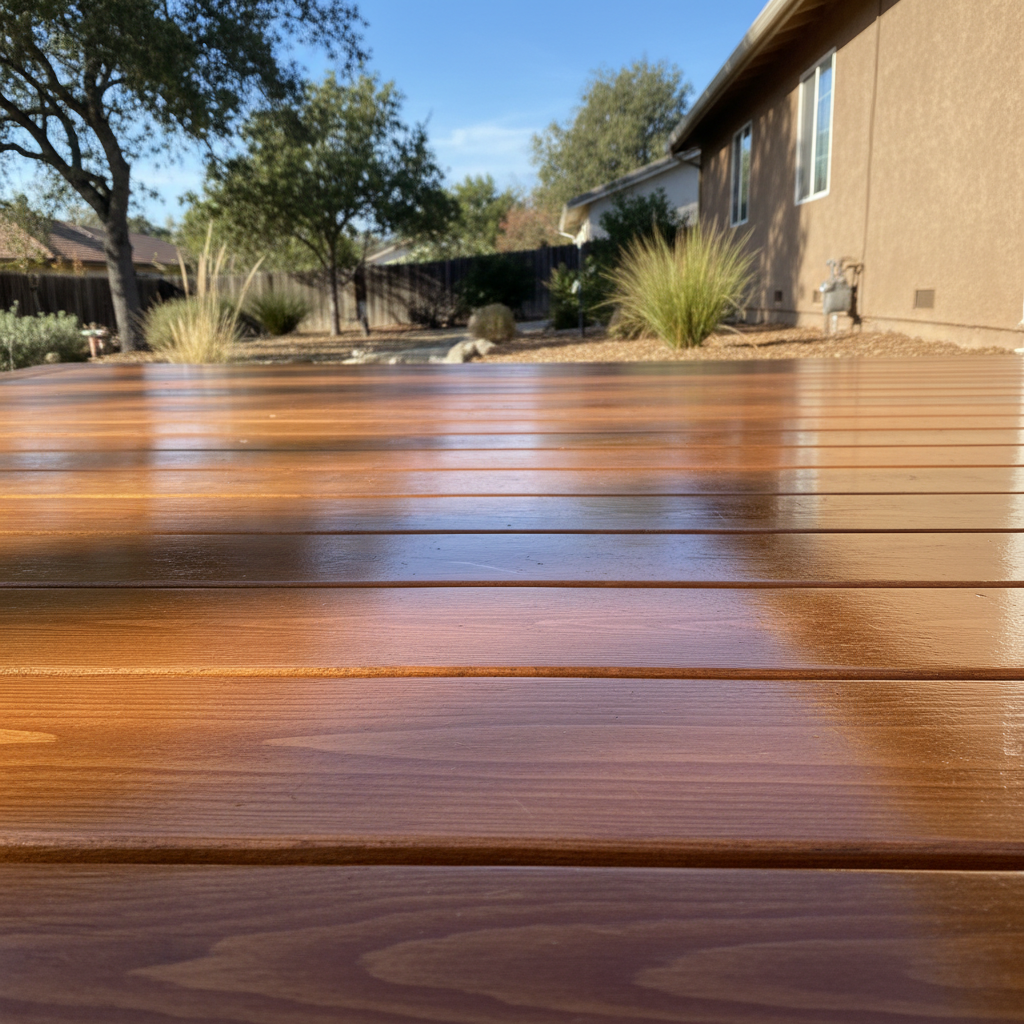
Do I really need to stain or paint my deck? Can't I just leave it?
Look, you *can* leave it. Nobody's going to stop you, right? But here's what I've seen over the years: an unstained or unpainted deck in Hawthorne is going to age a lot faster, and not in a good way. That beautiful California sun, even with our coastal breezes, is brutal on wood. UV rays break down the wood fibers, and moisture from morning dew or the occasional rain will cause rot, warping, and splintering. Stains and paints act like sunscreen and a raincoat for your deck. They protect it from the elements, keep it looking good, and significantly extend its lifespan. It's an investment in keeping your deck safe and usable for years to come.
What's the difference between staining and painting, and which is better?
This is probably the most common question I get. Stains penetrate the wood, coloring it while still letting the natural grain show through. They come in transparent, semi-transparent, and solid varieties. Transparent stains offer the least protection but show the most grain; solid stains offer more protection and hide more grain, almost like a thin paint. Paint, on the other hand, sits right on top of the wood, forming a solid, opaque layer. It completely covers the grain and gives you the most protection against UV and moisture.
Which is better? It really depends on what you're after. If you love the natural look of wood and want to highlight its grain, a stain is definitely the way to go. It's generally easier to reapply later, too, since it tends to wear down instead of peeling. Now, if your deck is older, maybe a bit weathered, or you want a completely new color that offers maximum protection and hides imperfections, paint is a solid choice. Just know that paint can peel over time, especially with our temperature fluctuations, so prep work is absolutely critical.
How often should I re-stain or repaint my deck?
There's no single answer here, but I can give you some good guidelines. For stains, especially transparent or semi-transparent ones, you're usually looking at every 1-3 years. Solid stains might last 3-5 years. Paint typically holds up longer, often 5-10 years, depending on the quality of the paint and the initial prep work. The biggest factors are how much sun your deck gets, how much foot traffic it sees, and the quality of the product you used last time. If you see fading, water soaking into the wood instead of beading up, or any peeling, it's time to reapply. Don't wait until the wood starts to gray or splinter; by then, you've got a lot more work on your hands.
Do I need to strip the old finish before applying a new one?
Short answer: usually, yes. Especially if you're switching from paint to stain, or if the old finish is peeling, flaking, or just really degraded. If you're just doing a maintenance coat with the same type of stain and the old finish is still in good shape, you might get away with just a thorough cleaning and light sanding. But for a really durable, long-lasting finish, stripping off the old stuff is almost always the best approach. It creates a clean, uniform surface for the new product to stick to, which means it'll look better and last longer. Skipping this step is a common mistake that leads to early failure of the new finish.
What kind of prep work is involved before painting or staining?
Prep work is probably 70% of the job, maybe even more. Seriously, don't skimp here. First, you need to clean the deck thoroughly. I'm talking about removing all dirt, mildew, algae, and loose debris. A good deck cleaner and a stiff brush, or a pressure washer (used carefully, don't gouge the wood!), will do the trick. Let it dry completely – and I mean completely, usually 2-3 sunny days here in Hawthorne. Then, you'll want to sand any rough spots, splintered areas, or areas where the old finish is peeling. For paint, you might even do a light overall sanding to help with adhesion. Make sure all nails or screws are flush or slightly countersunk. After sanding, clean off all the dust. A clean, dry, smooth surface is what you're aiming for.
Can I stain or paint over a composite deck?
This is a tricky one. Most composite deck manufacturers specifically advise against painting or staining their products. The reason is that composite materials are designed to be low-maintenance and resist fading, staining, and rot on their own. Applying paint or stain can actually void your warranty. Plus, paint and stain don't stick to composite surfaces as well as they do to wood, so you're likely to see peeling and flaking pretty quickly, which looks terrible and is a pain to fix. If your composite deck is looking faded or worn, there are some specialized composite deck restorers or cleaners out there, but generally, painting or staining isn't the solution. If you're looking for a new color, you might be out of luck, or you're looking at a much bigger project like replacing the boards. That's why choosing the right color upfront with composite is so important.
If you've got more questions or need a hand with your deck project, you know who to call. Hawthorne Deck Builders is always here to help you get the most out of your outdoor space.