Thinking about a new pool deck or fixing up an old one? It’s a big investment, and you’ve probably got a ton of questions. I hear them all the time, especially from folks right here in Hawthorne. I’ve been building and repairing decks around here for years, and I’ve seen just about everything. So, let’s get into some of the most common, and sometimes toughest, questions you might have about pool decks.
What’s the best material for a pool deck that can handle our Hawthorne sun?
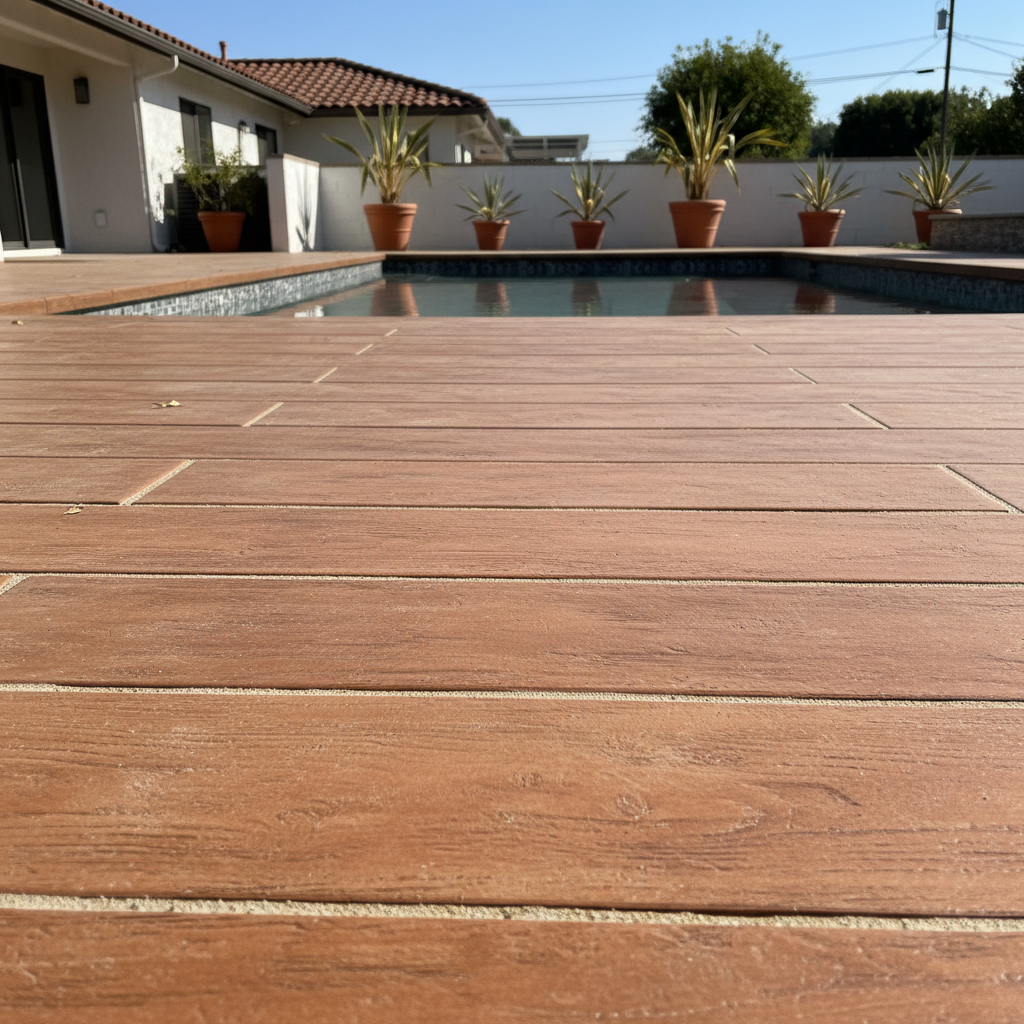
This is probably the number one question I get. You’ve got a few solid options, and each has its pros and cons, especially with that intense Southern California sun beating down most of the year. Wood, like redwood or cedar, looks great and feels natural, but it needs regular sealing and staining to fight off UV damage and chlorine splashes. If you skip that maintenance, it’ll warp, splinter, and fade fast. Then there’s composite decking. It’s engineered to be super durable, resisting fading, staining, and rot way better than wood. You don’t have to seal it, and maintenance is pretty much just cleaning. The downside? It can get hotter underfoot than some wood options, and the upfront cost is usually higher. Finally, pavers or concrete are options too, especially stamped concrete. They’re tough as nails and low maintenance, but they don’t have that warm, natural feel of wood or composite. For our climate, I usually lean towards a good quality composite for most pool decks because it’s a great balance of looks and longevity without the constant upkeep.
How do I make sure my pool deck isn’t a slip-and-slide hazard?
Safety around a pool is non-negotiable, especially if you’ve got kids running around. The material you pick plays a huge role here. Smooth, sealed wood can be incredibly slippery when wet. If you go with wood, make sure it has a textured finish or use an anti-slip additive in your sealant. Composite decks often come with a textured surface right out of the factory, which helps a lot. Some brands even have specific lines designed for pool areas with enhanced traction. Pavers and concrete can also be slippery if they’re too smooth or have certain sealants. Look for materials with a natural, slightly rough texture. You can also add anti-slip coatings to existing surfaces. And honestly, good drainage around the deck helps a ton too. Puddles are slip hazards waiting to happen.
What kind of maintenance does a pool deck really need?
Alright, let’s be real. No deck is truly maintenance-free, no matter what some sales guy tells you. Composite decks are the closest you’ll get. For those, you’re mostly looking at a good cleaning a couple of times a year with soap and water to get rid of dirt, algae, and any chlorine residue. You might need a soft brush or a pressure washer on a low setting. For wood decks, it’s a bigger job. You’ll need to clean it regularly, usually once a year, and then re-seal or re-stain it every 1-3 years depending on the product and how much sun it gets. Skipping this will lead to graying, cracking, and splintering. With our dry Santa Ana winds sometimes, wood can really take a beating if it’s not protected. Concrete and pavers need occasional cleaning and maybe re-sealing every few years to protect against stains and weather.
Can I build a pool deck right up to the edge of my pool?
You absolutely can, and most people do. The goal is usually to create a seamless transition from the deck right into the pool coping. When we design these, we make sure there's proper flashing and sealing where the deck meets the pool edge to prevent water from getting underneath and causing problems. This is especially important for wood or composite decks where moisture trapped against the pool wall can lead to rot or mold. We also have to consider the expansion and contraction of materials due to temperature changes. You don't want your deck buckling or pulling away from the pool. It’s a detail-oriented part of the build, and getting it right means your deck will last and look good for years.
How much does a pool deck typically cost in Hawthorne?
This is like asking how long a piece of string is, but I can give you a general idea. The cost varies wildly based on material, size, complexity of the design, and site preparation. A basic concrete slab might be the cheapest, but it’s not going to have the same appeal or comfort. Wood decks can range quite a bit depending on the type of wood – redwood is pricier than pressure-treated pine, for example. Composite decks are generally the most expensive upfront, often 1.5 to 2 times the cost of a basic wood deck, but remember, you save a lot on maintenance down the line. For a typical Hawthorne backyard, you could be looking anywhere from $15 to $50+ per square foot for materials and installation. Don’t just go for the cheapest bid; make sure you’re comparing apples to apples on materials and what’s included in the labor. A good deck is an investment, and you want it done right.
Do I need permits for a pool deck in Hawthorne?
Yes, almost certainly. Any new deck, especially one around a pool, usually requires a building permit from the City of Hawthorne. This isn't just red tape; it's about making sure your deck is built safely and up to code. They'll check things like structural integrity, setbacks from property lines, and drainage. If you’re just replacing the surface material on an existing, permitted deck, you might not need a new permit, but it’s always best to check with the city’s planning department first. Don’t skip this step; building without a permit can lead to fines, stop-work orders, and even having to tear down your new deck. As Hawthorne Deck Builders, we always handle the permitting process for our clients to make sure everything is above board.
What about drainage around the pool deck?
Proper drainage is crucial, and it’s often overlooked until there’s a problem. You don’t want water pooling on your deck or, worse, running back towards your house or foundation. We design pool decks with a slight slope, usually about 1/4 inch per foot, away from the house and towards a designated drainage area. This could be a channel drain, a French drain, or just directing the water to a permeable area in your yard. For us here in Hawthorne, especially with some of the older homes on smaller lots, managing runoff is key. We've got to make sure the water goes where it's supposed to, not just sitting there creating a breeding ground for mosquitoes or eroding your landscaping. Good drainage protects your deck, your home, and keeps your pool area safer.
How long does a pool deck project usually take?
From start to finish, including design, permitting, and construction, a typical pool deck project can take anywhere from 4 to 10 weeks. The design phase can be quick if you know exactly what you want, or it can take a few weeks if we’re going back and forth on ideas. Permitting with the city can sometimes be the longest part, often taking 2-4 weeks, depending on their current workload. Once we break ground, the actual construction time for a moderately sized deck is usually 1-3 weeks. Larger, more complex designs with multiple levels or integrated features will naturally take longer. We always try to give you a realistic timeline upfront, because nobody likes surprises when it comes to their backyard.
```