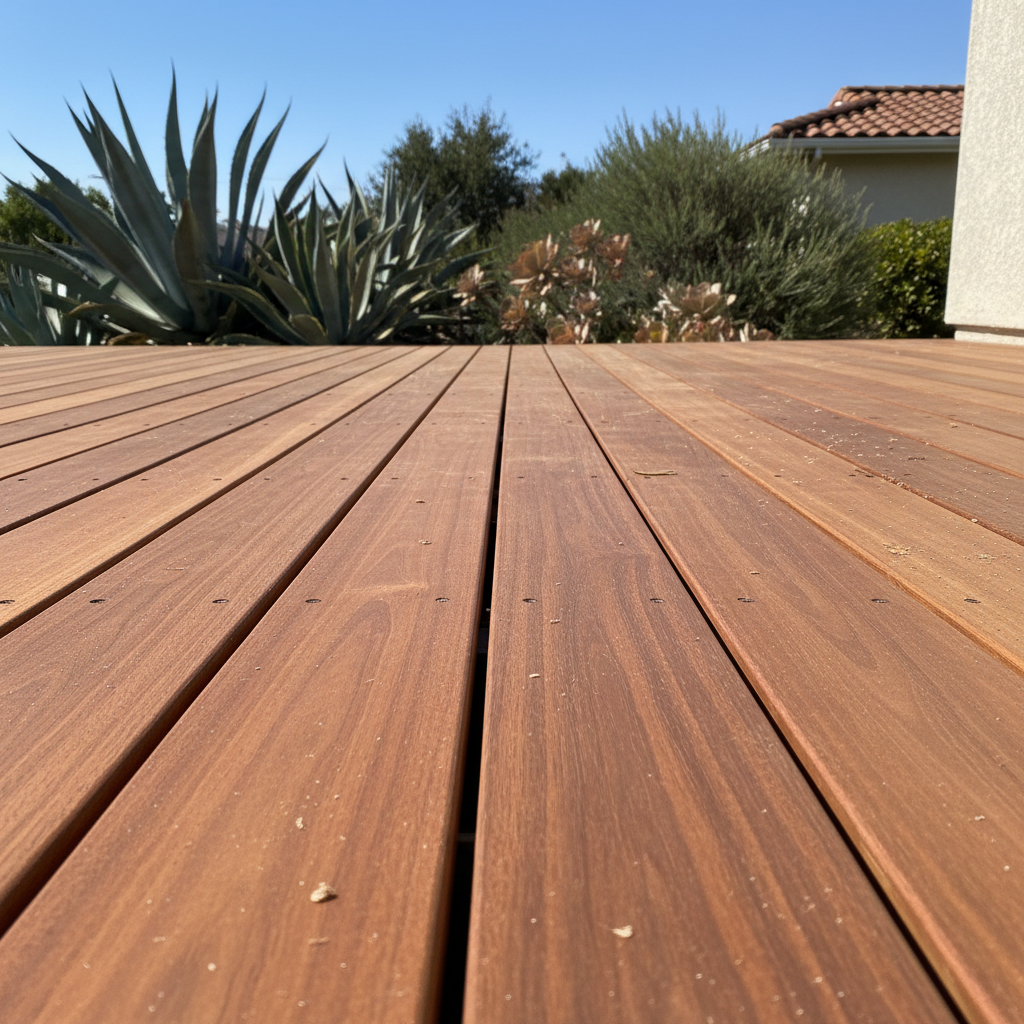
Alright, let's talk wooden decks. I've been building and fixing these things around Hawthorne for years, and I hear the same questions pop up again and again. You want straight answers, not some marketing fluff, right? That's what I'm here for. Let's dive into some of the most common things folks ask me about their wood decks.
How often should I clean and seal my wooden deck?
This is probably the most common question I get. Look, you've got a beautiful wood deck, you want to keep it that way. For most wooden decks around here – especially those exposed to the sun and occasional marine layer coming off the ocean – I recommend a good cleaning and sealing every 1-2 years. If your deck is under a patio cover or gets less direct sun, you might stretch it to three years, but that's pushing it. The sun's UV rays are brutal on wood, drying it out and causing it to gray and crack. Sealing protects against that, and it keeps moisture from soaking in, which leads to rot and mildew. Don't skip it. It's an investment in your deck's lifespan.
What's the best way to clean my wooden deck without damaging it?
Okay, this is important. You don't want to go at it with a super high-pressure washer set to kill. That can gouge the wood, raise the grain, and really mess things up. What I do, and what I tell my clients, is to start with a good deck cleaner. There are plenty of products out there specifically designed for wood decks that'll get rid of mildew, dirt, and graying. Follow the instructions on the cleaner. Apply it, let it sit, and then use a stiff brush – a long-handled one works great – to scrub it in. For rinsing, a pressure washer on a low setting (like 800-1200 PSI) with a wide fan tip is fine, but keep it moving and don't get too close. Or, honestly, a good old garden hose with a nozzle can do the trick if you've done a thorough scrub. Let it dry completely for a couple of days before you even think about sealing.
My deck boards are starting to splinter and crack. Can they be fixed, or do I need new ones?
Splintering and cracking are pretty common, especially on older decks or ones that haven't been maintained well. Small cracks and splinters can often be sanded down. If it's just surface stuff, a good orbital sander can smooth things out, and then a fresh coat of sealant will help protect it from happening again. But if you've got deep cracks, boards that are cupping badly, or large sections of splintered wood, then you're probably looking at replacement. Trying to patch up severely damaged boards is usually a waste of time and money. It's better to swap out the bad ones for new, matching lumber. Sometimes, it's just a few boards, not the whole deck. We do a lot of that kind of repair work at Hawthorne Deck Builders.
What kind of fasteners should I use for wooden decks?
This might sound like a small detail, but it's crucial for the longevity and safety of your deck. You absolutely need to use fasteners that are rated for exterior use and are corrosion-resistant. Galvanized screws or stainless steel screws are your best bet. Regular steel screws will rust, stain your wood, and eventually fail, especially with our coastal air. Don't use nails for decking boards; they'll pop up over time as the wood expands and contracts. Screws hold much better. For structural elements, like joists and beams, you'll use specific structural screws or bolts designed for that purpose, often with washers. It's not just about holding the wood down; it's about holding it down securely for years to come.
How can I prevent wood rot on my deck?
Preventing rot comes down to two main things: drainage and protection. First, make sure water isn't pooling anywhere on or under your deck. If you've got a deck close to the ground, especially in some of those older Hawthorne neighborhoods where yards can be a bit sloped, you need good ventilation underneath to keep moisture from building up. Trim back any bushes or plants that are growing right up against the deck boards or posts; they trap moisture. Second, that regular cleaning and sealing I talked about? That's your best defense. A good sealant repels water, stopping it from soaking into the wood fibers where rot starts. Also, keep an eye out for any areas where water might sit, like between two closely spaced boards or where a post meets the ground. Address those spots quickly.
My deck feels bouncy or shaky. What's causing that?
A bouncy or shaky deck is a red flag, plain and simple. It means something isn't right structurally, and you shouldn't ignore it. It could be a few things: undersized joists for the span, joists that have rotted or been damaged, loose ledger board connections to your house, or even inadequate footings. Sometimes, it's just loose connections that need tightening, but often it's more serious. I've seen decks built years ago that didn't meet current building codes, and over time, they just can't handle the load. If your deck feels unstable, don't wait. Get a professional to inspect it. It's a safety issue, and you want to make sure your deck is solid and safe for everyone who uses it.